What is a Jaundice Profile?
Jaundice is a condition where the skin and eyes turn yellow. This happens because of high levels of bilirubin in the blood. The jaundice profile is a group of blood tests. These tests help doctors find the cause of jaundice. Early diagnosis is important, so doctors can start the right treatment. The jaundice profile is often used in pathology labs to check liver health and related problems.
Common Symptoms of Jaundice
Jaundice can show up in many ways. For example, some people may only notice yellow skin. Others may have more symptoms. Watch for these common signs:
However, not everyone will have all these symptoms. If you notice any of them, it is wise to seek medical advice.
Causes and Risk Factors
There are several reasons why jaundice can occur. Most often, it is linked to liver problems. But, other causes are possible. Here are some common causes and risk factors:
Additionally, people with a family history of liver disease may be at higher risk. Poor diet, heavy alcohol use, and some infections can also increase risk.
Diagnostic Tests Included in a Jaundice Profile
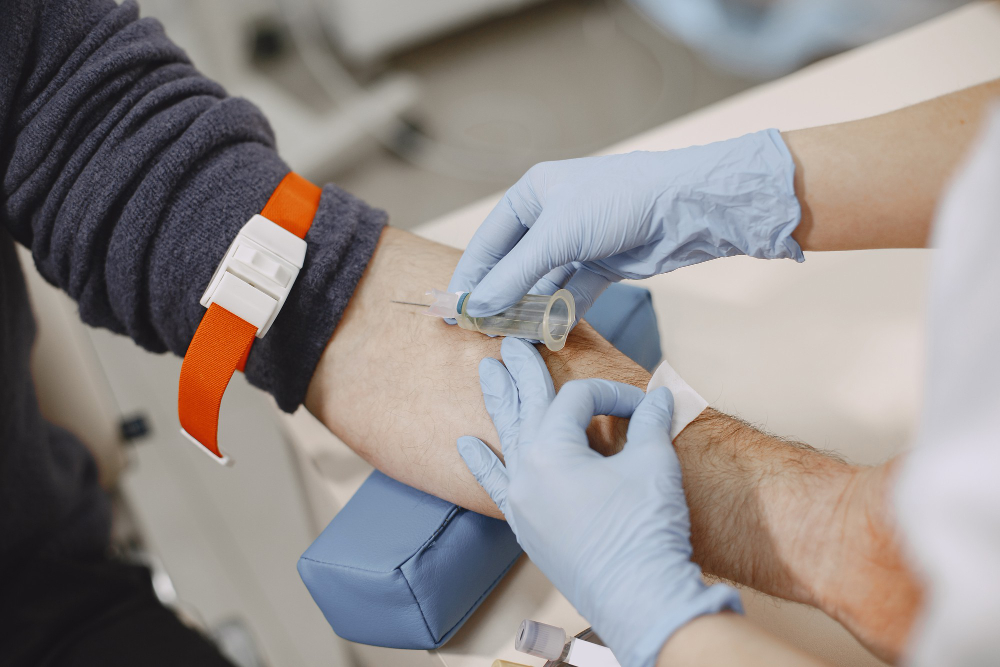
The jaundice profile includes several blood tests. These tests help doctors understand the cause and severity of jaundice. Common tests in a jaundice profile are:
Sometimes, doctors may order more tests, such as ultrasound or CT scans, to look at the liver and bile ducts.
Treatment Options and Medical Management
Treatment for jaundice depends on the cause. For instance, if an infection is the reason, doctors may prescribe medicines. If a blocked bile duct is found, surgery or other procedures may be needed. Here are some common treatment steps:
Importantly, early treatment can prevent complications. According to the World Health Organization (WHO), prompt care improves recovery and reduces risks.
Prevention Tips and Lifestyle Guidance
While not all cases of jaundice can be prevented, some steps can lower your risk. For example, you can:
Additionally, regular health check-ups can help catch liver problems early.
When to Consult a Doctor
It is important to see a doctor if you notice signs of jaundice. For example, yellow skin, dark urine, or severe tiredness should not be ignored. Also, if you have a history of liver disease, seek medical advice right away. Early diagnosis and treatment can make a big difference in your recovery.
In summary, understanding the jaundice profile helps you recognize symptoms, identify the causes, and seek timely care. If you or a loved one is experiencing symptoms of jaundice, consult KDC Diagnostics for accurate testing and personalized advice on treatment.