What is Leukaemia?
Leukaemia is a type of cancer that affects the blood and bone marrow. It happens when the body makes too many abnormal white blood cells. These cells crowd out healthy blood cells. As a result, the body cannot fight infections well. Leukaemia can affect both adults and children. There are several types, but all need medical care. Understanding leukaemia is the first step in raising leukaemia awareness.
Why Leukaemia Awareness Matters
Many people do not know the early signs of leukaemia. Because of this, they may not seek help quickly. However, early detection of leukaemia can save lives. When people know what to look for, they can get help sooner. In many countries, leukaemia awareness campaigns help spread this important message. Increased awareness leads to better treatment outcomes and more support for patients.
Early Signs and Symptoms of Leukaemia
Leukaemia symptoms can be mild at first. Still, it is important to notice any changes in your health. Here are some common signs of leukaemia in adults and children:
Sometimes, these symptoms can be caused by other illnesses. Even so, it is wise to see a doctor if you notice any of them.
Importance of Early Detection
Early detection of leukaemia can make a big difference. When leukaemia is found early, treatment can start sooner. This often leads to better leukaemia treatment outcomes. According to the World Health Organization (WHO), early treatment can improve survival rates. In addition, early care can reduce the risk of serious problems. Because of this, knowing the signs and acting quickly is very important.
Diagnosis: How Leukaemia is Detected
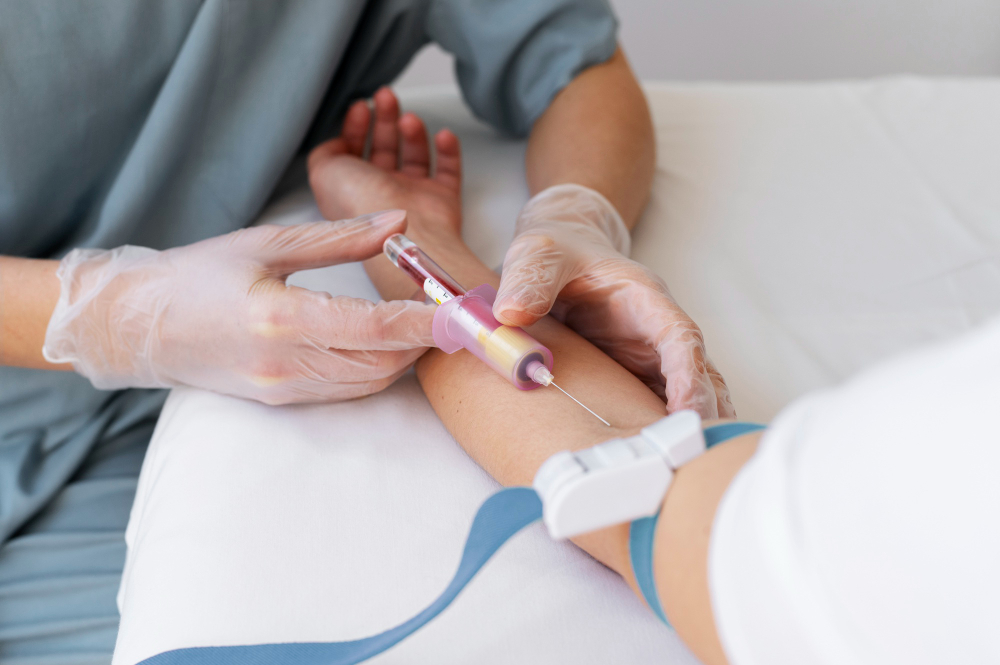
Doctors use several tests to detect leukaemia. First, they may ask about your symptoms and health history. Next, they will do a physical exam. After that, they may order blood tests to check your blood cell counts. If needed, a bone marrow test may be done. This test helps confirm the diagnosis. With these steps, doctors can find leukaemia early and plan the best treatment.
Treatment Options and Improved Outcomes with Early Detection
There are many ways to treat leukaemia. The choice depends on the type and stage of the disease. Common treatments include:
When leukaemia is found early, these treatments work better. Patients often have fewer side effects and a higher chance of recovery. Early detection also means less time in the hospital and a better quality of life.
Prevention and Lifestyle Tips
While not all cases of leukaemia can be prevented, some steps may lower your risk. Here are some tips:
Although these steps cannot guarantee prevention, they can help keep your body strong. Staying informed and making healthy choices is always wise.
Frequently Asked Questions
Leukaemia awareness can save lives. If you notice any symptoms or have concerns, consult a healthcare specialist at KDC DIAGNOSTICS for personalized advice.