
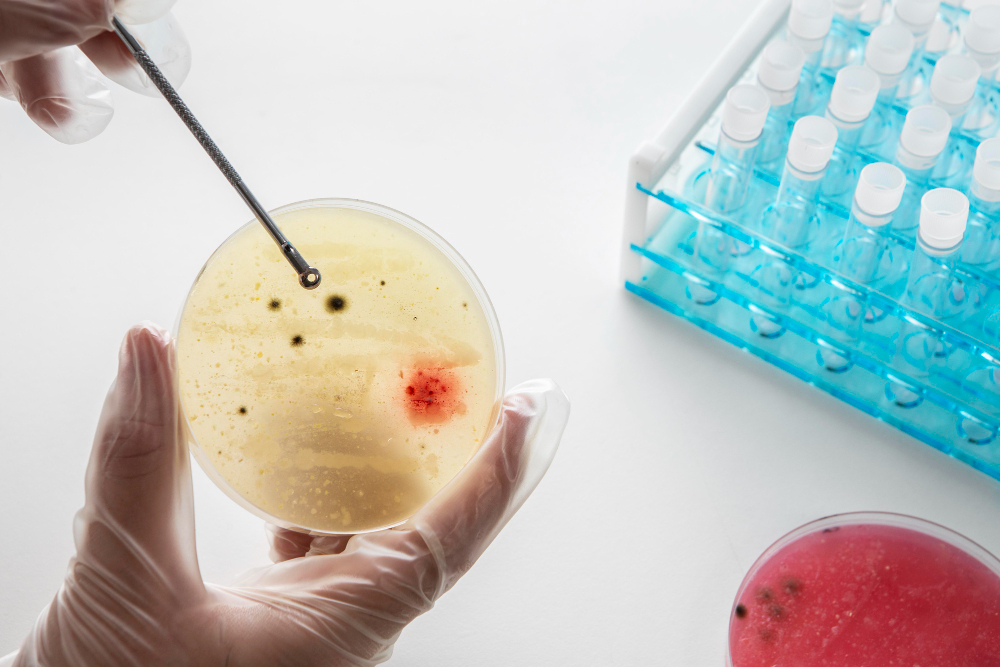
What is a Stool Culture Test?
A stool culture test checks for germs in your stool (poop). Doctors use this test to find bacteria, viruses, or parasites that may cause illness. Because it looks for harmful germs, it helps doctors know what is making you sick. The stool culture test is simple and safe. Most people can do it at home with a kit from their doctor.
Why is a Stool Culture Test Done?
Doctors order a stool culture test to find the cause of stomach problems. For example, if you have diarrhea or stomach pain, this test can help. Sometimes, it checks for infections after travel or contact with sick people. In addition, it can help track the spread of certain diseases in the community.
Symptoms or Situations That May Require a Stool Culture Test
You may need a stool culture test if you have:
For children and older adults, doctors may order this test sooner. This is because they can get sick faster from infections.
How to Prepare for a Stool Culture Test
Proper stool culture test preparation is important. Your doctor will give you a clean container and instructions. Usually, you do not need to stop eating or drinking. However, you may need to stop certain medicines, such as antibiotics, before the test. Always ask your doctor if you are unsure. Because some foods or medicines can affect the results, follow all instructions closely.
Step-by-Step Procedure of the Test
Many people wonder, “How is a stool culture test done?” Here are the steps:
Because timing matters, deliver the sample quickly. This helps the lab get the best results.
How Results Are Interpreted
Understanding stool culture results is important. The lab checks your sample for harmful germs. If they find bacteria, viruses, or parasites, your doctor will explain what they mean. Sometimes, the test is negative, which means no harmful germs were found. However, your doctor may order more tests if symptoms continue. Results usually take a few days. Your doctor will discuss the next steps with you.
Possible Risks or Side Effects
Stool culture tests are safe. There are no major risks or side effects. Because you collect the sample at home, you can avoid most problems. However, always wash your hands well to prevent spreading germs. If you have trouble collecting the sample, ask your doctor for help.
Tips for Accurate Results
Because small mistakes can affect the test, take your time and ask questions if needed.
Prevention and Lifestyle Guidance
To prevent stomach infections, wash your hands often. Cook food well and drink clean water. Avoid raw or undercooked meat. If you travel, be careful with food and water. Teach children good handwashing habits. Because healthy habits lower your risk, practice them every day.
When to See a Doctor
If you have ongoing stomach problems, do not wait. Contact your doctor for advice. Early testing can help you get the right treatment. For more information,
Consult a healthcare provider at KDC Diagnostics for personalized advice about stool culture tests.