
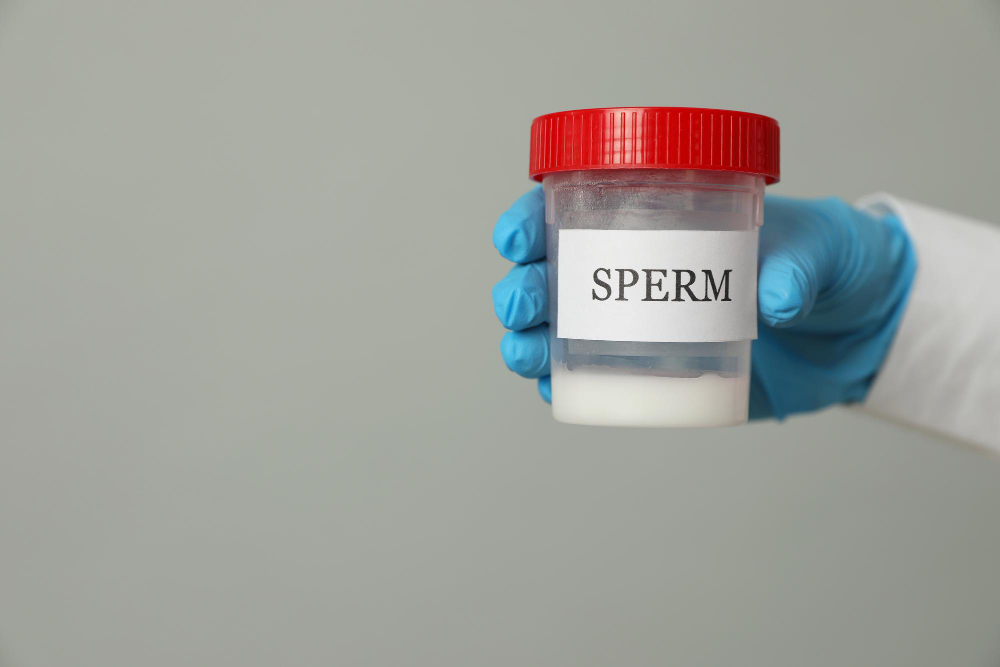
What is Semen Analysis?
Semen analysis is a simple test that checks a man’s sperm and semen. Doctors use this test to look at sperm count, movement, and shape. Because semen analysis is key for male fertility testing, it helps find out if there are problems with sperm. The test is safe and does not cause pain. Most men can do it easily at a clinic or lab.
Why is Semen Analysis Done?
Doctors often suggest semen analysis for several reasons. First, it helps couples who have trouble getting pregnant. Also, it checks sperm health after a vasectomy. Sometimes, it is used to find the cause of male infertility. In addition, semen analysis can help spot infections or other health issues. Overall, this test gives important information about male reproductive health.
How is Semen Analysis Performed?
The semen analysis test is simple and quick. Here is how it usually works:
Because certain things can affect the results, your doctor may ask you to avoid sex or ejaculation for 2-5 days before the test. This helps get the most accurate results.
What Do Semen Analysis Results Mean?
Semen analysis results help doctors understand sperm health. Here are the main things they check:
Because results can change, doctors may ask for more than one test. If results are not normal, it does not always mean there is a serious problem. Sometimes, lifestyle or health changes can help improve sperm health.
Common Questions and Myths
Many people have questions about semen analysis. Let’s clear up some common myths:
Tips for Accurate Test Results
To get the best results from your semen analysis test, follow these tips:
Because following these steps matters, you can help ensure your results are accurate.
When to See a Doctor
If you have trouble having a baby after one year of trying, talk to your doctor. Also, see a doctor if your semen analysis results are not normal. Sometimes, early treatment can help improve fertility. In addition, if you have pain, swelling, or other symptoms, do not wait to get help. Your doctor can guide you on the next steps and suggest more tests if needed.
In summary, semen analysis is a key part of male fertility testing. It is simple, safe, and gives important information about sperm health. For any questions or concerns, consult a healthcare professional at KDC Diagnostics for personalized advice about semen analysis or fertility concerns.