
Introduction
A Pap smear test is a simple way to check for changes in the cells of the cervix. This test helps find early signs of cervical cancer. Because early detection saves lives, the Pap smear test is very important for women’s health. Many women feel nervous about the test, but knowing what to expect can help. In this blog, you will learn about the Pap smear test, why it matters, and how to prepare.
What Is a Pap Smear Test?
A Pap smear test, also called a Pap test, checks for abnormal cells on the cervix. The cervix is the lower part of the uterus that opens into the vagina. During the test, a healthcare provider collects a small sample of cells from the cervix. These cells are then sent to a lab for review. The test can find changes that may lead to cervical cancer if not treated. According to the CDC, regular Pap tests are key to preventing cervical cancer.
Why Is a Pap Smear Test Important?
First, a Pap smear test can detect early cell changes before they turn into cancer. Early treatment can stop cervical cancer from developing. In addition, the test can also find infections or inflammation. Because cervical cancer often has no symptoms in the early stages, screening is vital. The World Health Organization (WHO) recommends regular Pap tests for women to lower the risk of cervical cancer.
Who Should Get a Pap Smear Test?
Most women should start Pap smear testing at age 21. However, some may need to start earlier or later based on their health history. Here are general guidelines:
Still, some women may need more frequent tests. For example, those with a history of abnormal results or a weakened immune system should ask their doctor about the best schedule.
How to Prepare for a Pap Smear Test
Preparing for a Pap smear test is simple. But, a few steps can help you get the best results:
If you have questions, ask your healthcare provider before the test. This can help you feel more at ease.
What Happens During the Test?
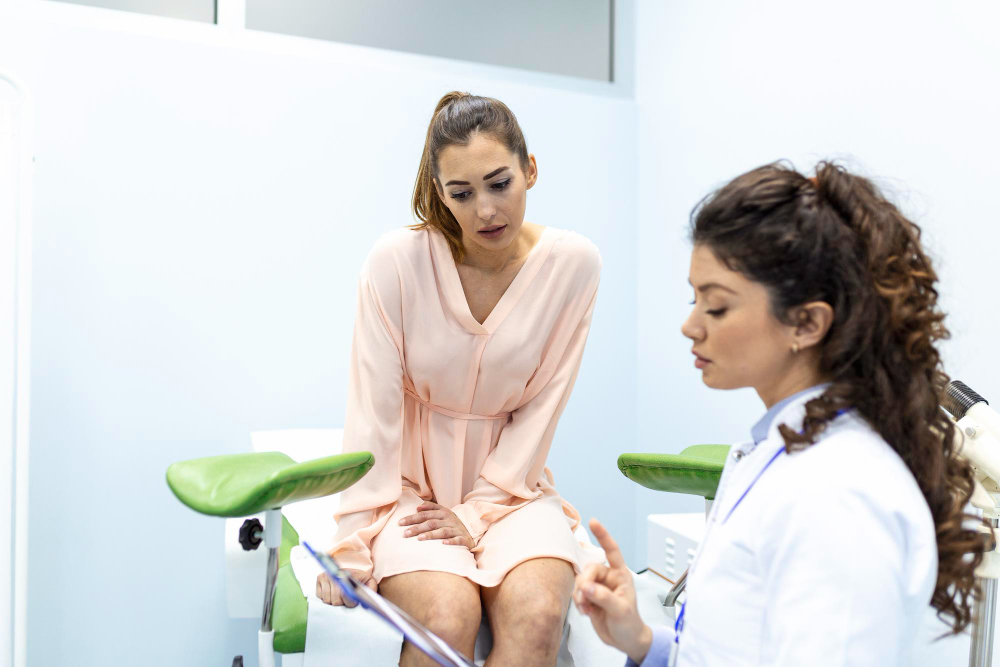
During a Pap smear test, you will lie on an exam table. The provider will gently insert a speculum into your vagina. This tool helps open the vaginal walls so the cervix can be seen. Next, a small brush or spatula collects cells from the cervix. The process takes only a few minutes. While you may feel mild discomfort, the test is usually not painful. Afterward, you can return to your normal activities right away.
Understanding Your Results
Pap smear results usually come back within a few days. There are three main types of results:
If your results are abnormal, your provider will explain the next steps. Sometimes, a repeat Pap test or a special exam called a colposcopy is needed.
Risks and Limitations
Although the Pap smear test is safe, it has some limits. For example, it may miss some abnormal cells. Rarely, the test may give a false positive or false negative result. Still, regular screening greatly lowers the risk of cervical cancer. Side effects are rare but may include mild spotting or discomfort after the test.
Tips for a Healthy Cervix
There are steps you can take to keep your cervix healthy:
By following these tips, you can help protect your cervical health.
Frequently Asked Questions
Conclusion
In summary, the Pap smear test is a key tool for cervical cancer screening. It helps find problems early, when they are easiest to treat. If you have questions or concerns, consult a healthcare provider at KDC Diagnostics for personalized advice on Pap smear testing.