What Are Nutrient Panel Tests?
Nutrient panel tests are blood tests that check the levels of vitamins and minerals in your body. These tests help find out if you have too little or too much of certain nutrients. For example, a comprehensive nutrient panel can show if you are low in iron, vitamin D, or calcium. Many people use nutrient deficiency testing to learn more about their health. Because these tests are simple, they are often done in clinics or labs.
Why Are Nutrient Panel Tests Important?
Sometimes, your body may not get enough nutrients from food. As a result, you might feel tired or weak. Nutrient panel tests can help find the cause. Early testing can prevent serious health problems. For instance, low vitamin B12 can lead to nerve issues. On the other hand, too much iron can harm your organs. Therefore, knowing your nutrient levels helps you stay healthy.
Common Nutrients Measured
Nutrient panel tests often check for several key vitamins and minerals. Here are some common ones:
Each nutrient plays a special role in your body. For example, vitamin D helps keep bones strong, while iron helps carry oxygen in your blood.
How Are Nutrient Panel Tests Performed?
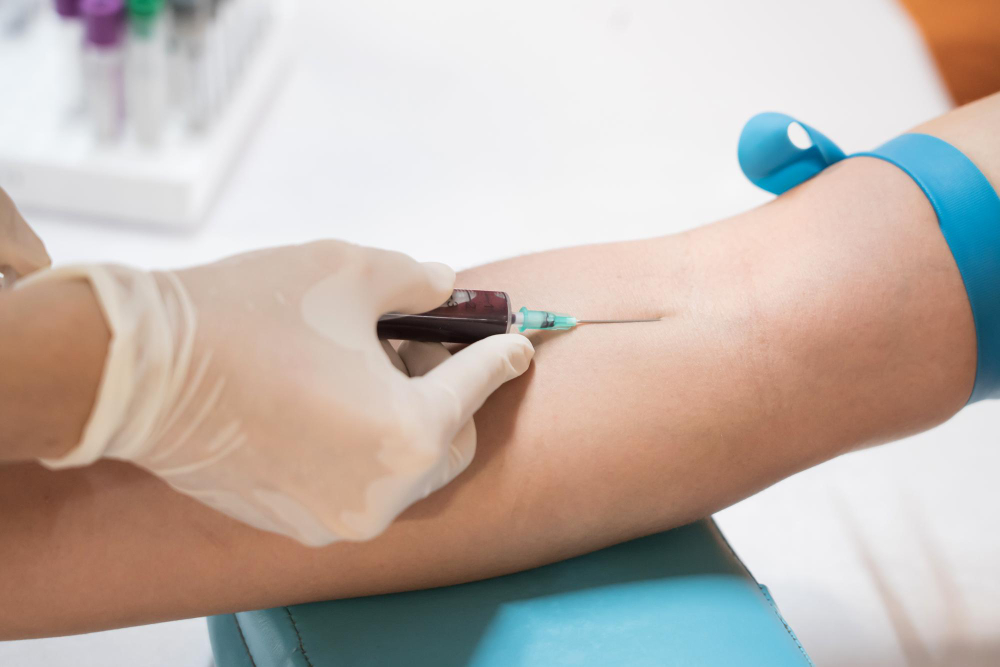
Usually, a healthcare worker takes a small blood sample from your arm. The sample goes to a lab for testing. Results are often ready in a few days. Because the process is quick and safe, most people have no problems. Sometimes, you may need to fast before the test. Your doctor will tell you if this is needed. Overall, blood tests for vitamins and minerals are simple and accurate.
Who Should Consider Nutrient Panel Testing?
Many people can benefit from nutrient panel tests. You may want to get tested if you:
In addition, older adults and children may need testing more often. If you have symptoms or risk factors, talk to your doctor about nutrient deficiency testing.
Understanding Your Results
After your test, your doctor will explain the results. If your levels are normal, you may not need to make changes. However, if you have low or high levels, your doctor will suggest next steps. Sometimes, you may need to take supplements or change your diet. In rare cases, further tests may be needed. Because each person is different, your doctor will give advice that fits your needs.
Tips for Preparing for a Nutrient Panel Test
To get the best results, follow these tips:
Knowing how to prepare for a nutrient panel test can help make the process smooth and stress-free.
Prevention and Lifestyle Guidance
Eating a balanced diet is the best way to prevent nutrient problems. Try to include a variety of foods, such as:
In addition, regular check-ups can help catch problems early. If you have a health condition, follow your doctor’s advice. Staying active and drinking enough water also support good health. Because prevention is easier than treatment, healthy habits matter.
Frequently Asked Questions
In summary, nutrient panel tests are a simple way to check your health. They help find and prevent problems early. Consult a healthcare professional at KDC Diagnostics to discuss if a nutrient panel test is right for you.