
Introduction
Ketones serum refers to the amount of ketone bodies found in your blood. These are chemicals your body makes when it breaks down fat for energy. Usually, your body uses sugar for fuel. However, when sugar is low, your body turns to fat, making ketones. Doctors often check blood ketones or order a serum ketone test to see if your levels are normal. Understanding ketones serum is important for your health, especially if you have diabetes or follow special diets.
What is Ketones Serum?
Ketones serum is the measurement of ketone bodies in your blood. Ketone bodies include acetoacetate, beta-hydroxybutyrate, and acetone. These chemicals help show how your body uses fat for energy. Normally, ketone levels in the blood are very low. But, if your body cannot use sugar well, ketones can build up. This is why serum ketone levels are important for people with diabetes or those on low-carb diets.
Why Are Ketones Measured in Serum?
Doctors measure ketones in serum to check how your body is using energy. For example, if you have diabetes, high ketones can signal a serious problem called diabetic ketoacidosis. This condition needs quick treatment. Also, measuring serum ketones helps doctors monitor people on special diets, like the ketogenic diet. In some cases, it can help find other health problems, such as fasting or starvation.
Causes of Elevated or Low Serum Ketones
Many things can change your serum ketone levels. Some common causes include:
On the other hand, low serum ketones are usually not a problem. Most healthy people have very low or no ketones in their blood.
Symptoms and Health Risks Associated with Abnormal Ketones Serum Levels
Abnormal serum ketone levels can cause different symptoms. For example, high ketones may lead to:
High ketones can be dangerous, especially for people with diabetes. This can lead to diabetic ketoacidosis, which is a medical emergency. If not treated, it can cause coma or even death. Low ketones usually do not cause symptoms.
How is the Serum Ketones Test Performed?
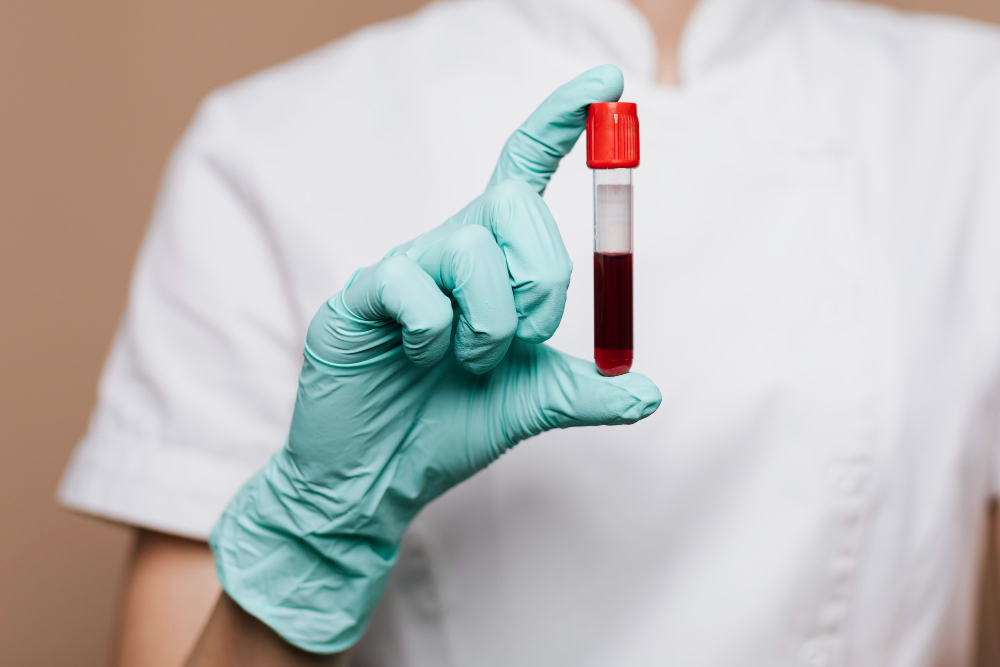
The serum ketones test is simple. First, a healthcare worker takes a small blood sample from your arm. Then, the sample goes to a lab for testing. Sometimes, doctors may also use a finger-prick blood test for quick results. The test checks the amount of ketone bodies in your blood. In some places, you can get a serum ketones test in local clinics or hospitals.
Interpreting Test Results
Normal serum ketone levels are usually less than 0.6 mmol/L. However, results can vary by lab. Here is a simple guide:
Always talk to your doctor about your results. They can explain what your serum ketone levels mean for your health.
Prevention and Lifestyle Guidance
There are ways to keep your serum ketones in a healthy range. For example, you can:
With these steps, you can help prevent problems with serum ketone levels.
When to See a Doctor
If you notice symptoms like nausea, vomiting, stomach pain, or fruity-smelling breath, see a doctor right away. Also, if you have diabetes and your blood sugar is high, check your ketones. Seek help if your serum ketone test shows high levels. Early treatment can prevent serious health problems.
Consult KDC Diagnostics for accurate serum ketone testing and personalized advice on managing your health effectively.