
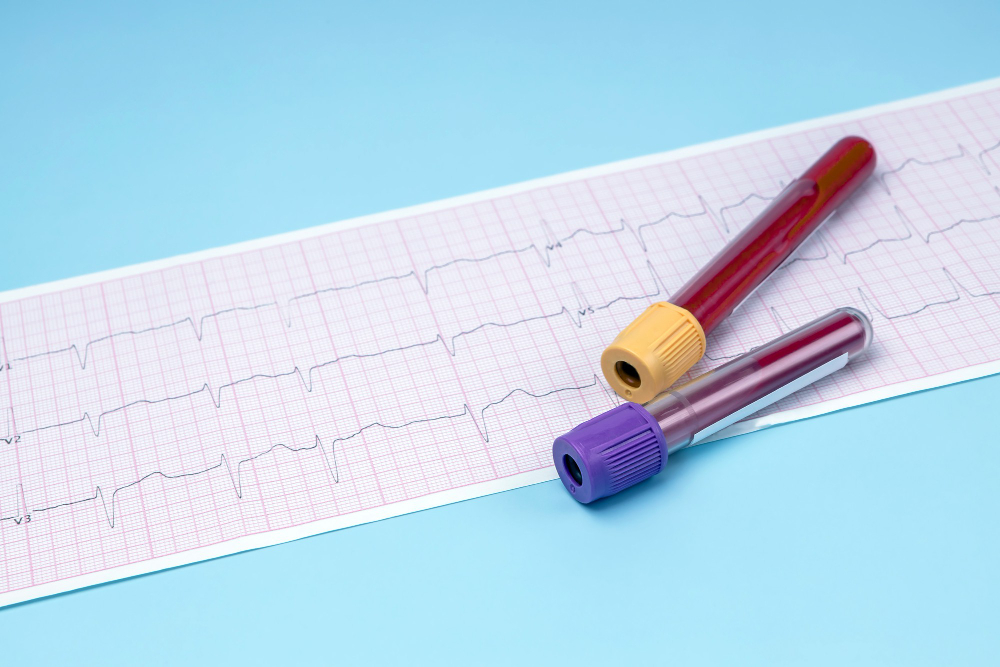
What is a Cardiac Profile?
A cardiac profile is a simple heart test that checks how well your heart is working. It looks at different blood markers and other signs to give a full picture of your heart health. Many people call it a heart health checkup or a cardiac risk assessment. With this test, you can find out if your heart is strong or if you need to take extra care.
Why is a Cardiac Profile Important?
Knowing your heart’s health is very important. For example, heart disease is a leading cause of illness worldwide, according to the World Health Organization (WHO). Early testing can help you spot problems before they become serious. In addition, a cardiac profile helps you and your doctor make better choices for your health. If you catch risks early, you can take steps to prevent heart attacks or strokes.
Key Components of a Cardiac Profile
A cardiac profile includes several tests. Each one checks a different part of your heart’s health. Usually, these are the main parts:
Sometimes, doctors may add more tests based on your age or health history.
How is a Cardiac Profile Done?
Getting a cardiac profile is easy and safe. First, you may need to fast for 8-12 hours before the test. Next, a nurse or technician will take a small blood sample from your arm. In some cases, you may also get an ECG. The whole process usually takes less than 30 minutes. Afterward, you can go back to your normal activities. Many clinics offer a cardiac profile test in your city or region, so it is easy to find a nearby center.
Understanding Your Results
After the test, your doctor will explain what the numbers mean. For instance, high cholesterol or blood sugar may mean you have a higher risk for heart problems. On the other hand, normal results show your heart is in good shape. If any results are not normal, your doctor will suggest steps to lower your risk. Sometimes, you may need more tests or a change in your daily habits.
Who Should Get a Cardiac Profile?
Many people can benefit from a cardiac profile. You should consider this test if you:
Even if you feel healthy, regular heart health checkups can help you stay safe.
Tips for Heart Health and Prevention
Keeping your heart strong is possible with simple steps. Here are some tips:
With these habits, you can lower your risk of heart disease.
Frequently Asked Questions
In summary, a cardiac profile is a simple way to know your heart’s strength. It helps you and your doctor spot risks early and take action. Consult a healthcare specialist at KDC DIAGNOSTICS to understand your cardiac profile and take steps for a healthier heart.