What is a Homocysteine Test?
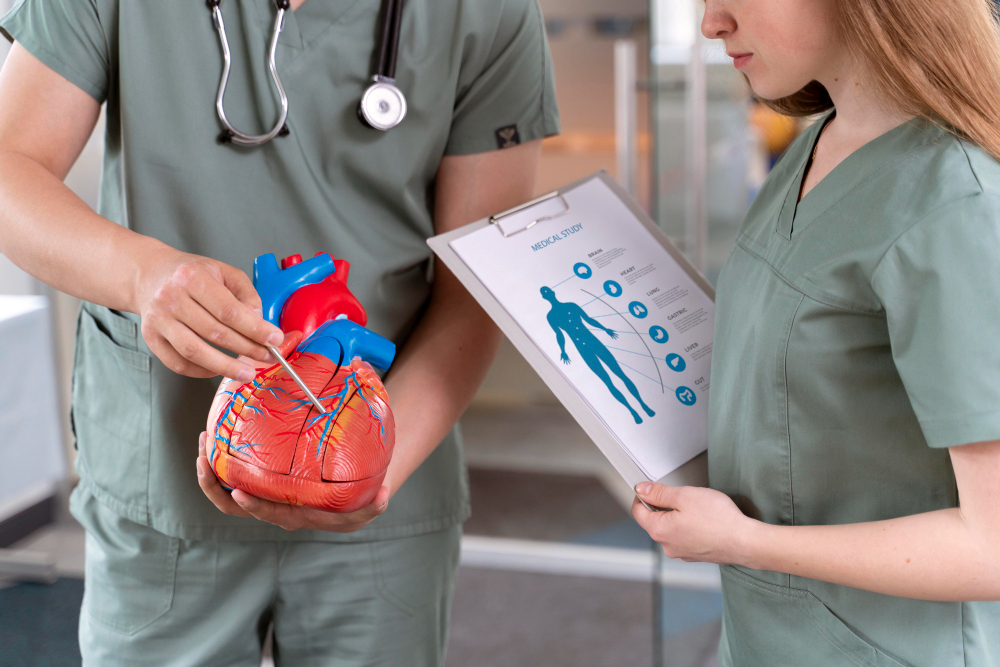
The homocysteine test measures the amount of homocysteine in your blood. Homocysteine is an amino acid your body makes when it breaks down protein. Usually, your body keeps homocysteine at safe levels. However, high levels can be a warning sign for health problems. Many doctors use the homocysteine test to check for risks linked to heart disease and other conditions. This simple blood test can help spot issues early, so you can take action.
Why is the Homocysteine Test Important for Heart Health?
High homocysteine levels may damage blood vessels. As a result, this can raise your risk for heart disease and stroke. Studies from the CDC and other trusted sources show a link between high homocysteine and heart problems. In addition, the homocysteine test helps doctors find people who may need extra care for their heart. Early testing can lead to better prevention and treatment.
Symptoms and Risk Factors Linked to High Homocysteine
Often, high homocysteine does not cause clear symptoms. Still, certain signs and risk factors may suggest you need testing. For example, you may be at risk if you have:
Because symptoms are rare, regular checks are important for those at risk.
How is the Homocysteine Test Performed?
The homocysteine blood test procedure is simple. First, a healthcare worker draws a small blood sample from your arm. You may need to fast for several hours before the test. Your doctor will give you clear instructions. After the test, you can return to your normal activities. Results are usually ready within a few days. If you need a homocysteine test in your city, most labs and clinics offer this service.
Understanding Test Results
Normal homocysteine levels are usually between 5 and 15 micromoles per liter. However, this range may vary by lab. If your levels are high, your doctor will explain what it means for your health. High homocysteine can signal:
Low levels are less common and usually not a concern. Always discuss your results with your doctor for the best advice.
Treatment and Lifestyle Guidance
If your homocysteine is high, there are ways to lower it. Your doctor may suggest:
In many cases, you can reduce homocysteine naturally through diet and healthy habits. For example, leafy greens, beans, and fish are good choices. Always follow your doctor’s advice for the best results.
Prevention and Regular Monitoring
Regular monitoring helps catch high homocysteine early. If you have risk factors, your doctor may suggest routine tests. In addition, keeping a healthy lifestyle can prevent levels from rising. Simple steps like eating well, staying active, and avoiding tobacco can make a big difference. Early action is key to protecting your heart and overall health.
Frequently Asked Questions (FAQs)
For personalized advice about homocysteine testing and heart health, consult a healthcare specialist Dr. Ganesh Sadhu, at KDC DIAGNOSTICS .