
What is the Mantoux Tuberculin Skin Test (TST)?
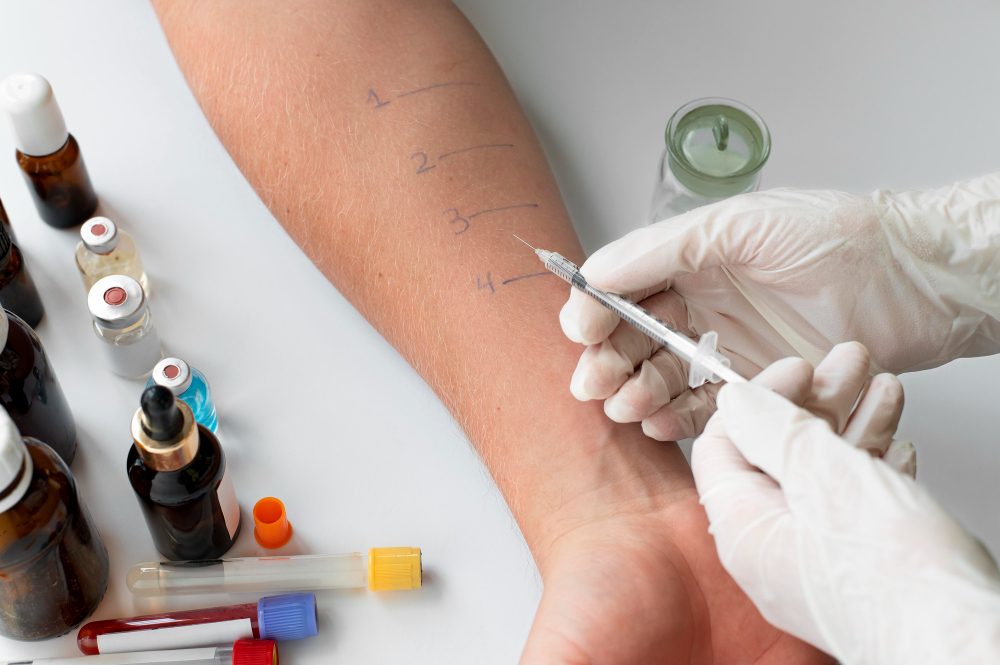
The Mantoux tuberculin skin test (TST) is a simple way to check for tuberculosis (TB) infection. Doctors use this skin test for TB screening in many countries. It helps find out if someone has been exposed to the bacteria that cause TB. Although the test does not show if you have active TB disease, it can tell if you have been infected in the past. The TST is safe and widely used around the world.
Why is the Mantoux Test Done?
Doctors recommend the Mantoux test for several reasons. For example, it helps screen people who may have been exposed to TB. In addition, it is often used for:
Because TB can spread easily, early screening is important. The Mantoux tuberculin skin test helps find infections before symptoms appear.
How is the TST Performed?
The TST procedure is quick and simple. First, a healthcare worker cleans a small area of your forearm. Next, they inject a tiny amount of tuberculin fluid just under the skin. This may cause a small bump. The process takes only a few minutes. After the injection, you can go home right away. However, you must return to the clinic in 48 to 72 hours to have the area checked.
How to Prepare for the Test
Preparing for the Mantoux tuberculin skin test is easy. Usually, you do not need to do anything special. However, you should tell your doctor if you:
Because the test involves a small injection, wear loose clothing on your arm. Also, avoid scratching or covering the test area after the injection.
Understanding TST Results
After 48 to 72 hours, a healthcare worker will check your arm. They will look for swelling or a raised bump at the injection site. The size of the bump helps decide if the test is positive or negative. Here is what the results may mean:
However, a positive TB test does not always mean you have active TB disease. Sometimes, people who had the BCG vaccine or other infections can have a positive result. For this reason, your doctor may order more tests, such as a chest X-ray or a blood test, to confirm the diagnosis.
Risks and Side Effects
The Mantoux tuberculin skin test is very safe. Most people have no problems. However, some may notice:
Usually, these side effects go away on their own. If you notice severe pain, swelling, or signs of infection, contact your doctor right away.
Frequently Asked Questions
When to Consult a Doctor
If you have questions about the Mantoux tuberculin skin test or your TB test results, talk to your healthcare provider at KDC Diagnostics. Also, seek help if you notice a strong reaction or signs of infection at the test site. Early advice can help you get the right care and avoid problems.