An HIV test checks if you have the human immunodeficiency virus (HIV). This virus can weaken your immune system over time. Early HIV testing is important because it helps you get the right care quickly. With regular HIV screening, you can protect your health and the health of others. In this blog, you will learn about the HIV test, why it matters, and what to expect during the process.
What is an HIV Test?
An HIV test is a medical test that looks for signs of HIV in your body. The main goal is to find out if you have the virus. Most tests check your blood or saliva for HIV. Some tests look for antibodies, while others look for parts of the virus itself. HIV diagnosis helps you start treatment early if needed.
Why is HIV Testing Important?
Getting tested for HIV is important for many reasons. First, early detection means you can start treatment sooner. This helps you stay healthy for longer. Also, knowing your status can help prevent the spread of HIV to others. Regular HIV screening is a key step in stopping the virus. In addition, many people with HIV do not have symptoms at first. Testing is the only way to know for sure.
Types of HIV Tests
There are several types of HIV tests. Each test works in a different way. Here are the main types:
Your healthcare provider will help choose the best HIV testing process for you.
Who Should Get Tested?
HIV testing is recommended for many people. The Centers for Disease Control and Prevention (CDC) suggests that everyone between ages 13 and 64 get tested at least once. However, some groups should get tested more often. You should consider more frequent HIV screening if you:
Regular testing helps keep you and your loved ones safe.
How is an HIV Test Performed?
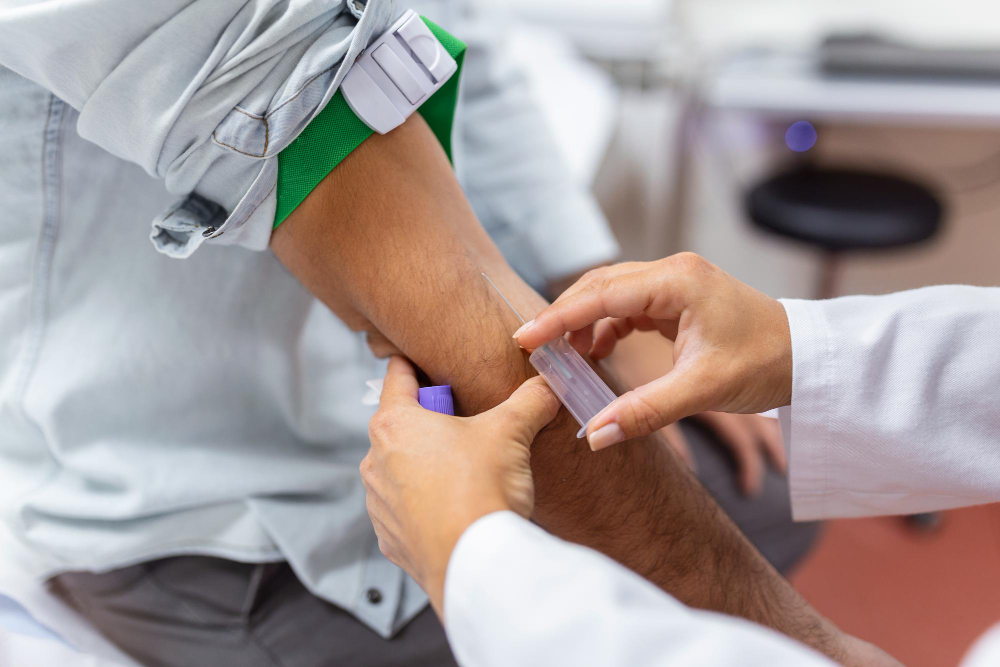
The HIV testing process is simple and quick. First, you may need to give a small blood sample or a swab from your mouth. Some tests give results in 20 minutes, while others take a few days. You usually do not need to prepare in any special way. However, it is a good idea to ask your healthcare provider about the process. After the test, you will get your HIV test results and advice on what to do next.
Understanding HIV Test Results
HIV test results can be:
It is normal to feel nervous about results. Still, knowing your status is the best way to stay healthy.
What to Do After an HIV Test
After you get your HIV test results, follow your provider’s advice. If your result is negative, keep practicing safe habits. If your result is positive, your provider will guide you on treatment and support. Early care can help you live a long, healthy life. Also, tell your partner so they can get tested too. Remember, support is available at every step.
Frequently Asked Questions about HIV Testing
Prevention and Safe Practices
While HIV testing is important, prevention matters too. You can lower your risk by:
Staying informed and making safe choices helps protect you and others.
If you have questions or need an HIV test, consult a healthcare professional at KDC DIAGNOSTICS for personalized advice about HIV testing.